
Ambergrove was always intended as a melting pot in the best meaning of the word, but now that I am delving more and more into this pot, I think it best to explain what I mean.
While the histories and cultures of ancient societies are incorrectly presented—because the nature of the door between worlds is for both sides to be somewhat misunderstood—the goal is still to draw interest, especially when it comes to non-Western cultures.
The “Native American” Peeve
I could wax for hours about how frustrating it is to see “Native American” used as a blanket term, specifically “in Native American culture” or “a Native American proverb,” when the Delaware and Miami are vastly different from the Iroquois, the Navajo from the Dakota or Algonquian, and so on. However, when the average person doesn’t know how Native Americans are mistreated on reservations, still not considered citizens, or how Native women in particular are taken or killed at an alarming rate and no one investigates the crimes, there are certainly bigger fish to fry than stereotyping or misrepresentation.
So, why do you do that in Ambergrove?
If I hate the blanket terminology so much, why do I only say “Native American” in Ambergrove, when names are generally pulled from Lakota and Hopi (and I know that)? While real-life people are willfully ignorant of cultures they don’t care to fully understand, the Ambergrovians are ignorant because they are essentially playing “Telephone” with Earth. They have no way of correcting their understanding, especially after the events of Mara’s story. Much of Ambergrove is built on the idea that our understanding is incomplete.
What we know of fantasy is incomplete, because that we know comes from what has filtered through to this world from Ambergrove. So, if we can entirely miss the existence of the forest dwarves in Earth fantasy, it stands to reason that the stories that filter back to Ambergrove would be equally incomplete or misunderstood. (As with the Brobdingnag constellation above the giant lands in EitF, with is an intentional misrepresentation of Gulliver’s Travels.)
Why include these cultures at all if you’re going to misrepresent them?
Because, I do so from a place of respect. Ambergrovians are presented as ignorant of the truth of these cultures, yes, but they are assimilated into Ambergrovian life in a reverent way. The sea elves take from Norse culture because they respect the Vikings for their ships and for their ferocity in battle. Humans from Modoc (post-Paeor’s Game) revere the Ancient Greeks for much the same reasons.
In EitF, Nanala’s people have taken elements of their culture from the Māori, and Nanala has a face tattoo inspired by this culture, given to her to show her accomplishments.
When writing DotD, I created the Ambergrovian version of the monk class as the Naadakh class. Those in the Naadakh class engage in Mongolian wrestling, called Bökh fighting. The Naadam is the level-based animal title the Naadakh is given. This all comes from Ancient Mongolian culture. The Naadam is a competition, wherein worthy fighters show their prowess and are granted an animal title based on how many rounds of fighting they win during this competition. I have greatly simplified and tweaked the information, and in DotD, I recommend readers research Naadakh, Naadam, and Bökh of their own volition to learn the real information about this culture. It is fascinating, but the Ambergrovians don’t know all of it, so they have a skewed view of it. That does not mean it is a judgmental one.
I will never present an ancient culture from Earth negatively in Ambergrove, though there will be some intentional changes based on my own views or based on the simplification for this world. It is my hope that the inclusion of snippets may garner reader interest in cultures—ancient and modern both—that they may not have considered before.
New in EotA
In EotA, Ember and co. visit the human village of Darbut. All human villages are inspired by an ancient culture or another. Nimeda is Native American; Modoc was Native American until Toren’s Ranger trial but is now Ancient Greek. Darbut is Aboriginal. Aboriginal peoples, as an indigenous people, are also lumped into a single culture like Native Americans. However, as with Native American culture, Aboriginal culture is absolutely fascinating. There are different tribes in different areas of Australia. The Arnhem Land people are probably the most well-known outside of Australia because of the movie Australia, but there are so many more. Australia made me research more about Aboriginal cultures, but I know what I’ve learned is only a partial picture.
Each region has its own people with their own deities and myths, but there are commonalities such as the Dreamtime and the significance of Dreaming. For the purpose of Darbut in Ambergrove, I’m honing in on a few elements more specific to Northern Territory countries (countries are sort of like tribes). The greatest of those is the significance of snakes. Other countries in other territories believe in the Rainbow Serpent, but there are also other rainbow snakes and other snakes of note—Ulanji, Wollunqua, Yurlungur, Bobbi-Bobbi, Galeru, Julunggul, and so many more.
Ambergrove in Hammer and Flame is a place where magical creatures are returning, where they can thrive. So, I have pulled a magical creature from Ancient Greek mythology—one I have long believed is misunderstood and mistreated by history—and brought them to Ambergrove, to Darbut, where they and their snakes will be safe and even revered.
In EotA, Ember will come to Darbut during a snake festival, which will be a combination of Aboriginal belief, Ambergrovian interpretation, and the splash of Ancient Greek influence. We will learn a little about Aboriginal culture from the people of Darbut, but I hope that this sprinkling will cause readers to research Aboriginal culture on their own.
I hope that the Naadakh class will have DotD adventurers researching Mongolian culture on their own.
I hope that the mention of Nanala’s tattoo will have readers researching Māori culture on their own.
Do Your Research
The Ambergrovians cannot help their ignorance, but we can. There are so many rich cultures, and while some ancient cultures are all but extinct, others are alive despite their history. Native Americans were mistreated hundreds of years ago when colonizers stole their land and took their lives, but that land wasn’t given back. Those lives weren’t given due worth. Research Native Americans of ancient history, but also research what’s happening now. Research Missing and Murdered Indigenous Women (MMIW). Research the discovery of mass graves of Native American children who were forced into boarding schools in the US and Canada. Research Aboriginal peoples of ancient history, but also the Stolen Generations. Some of this is history, but some of it is happening right now.
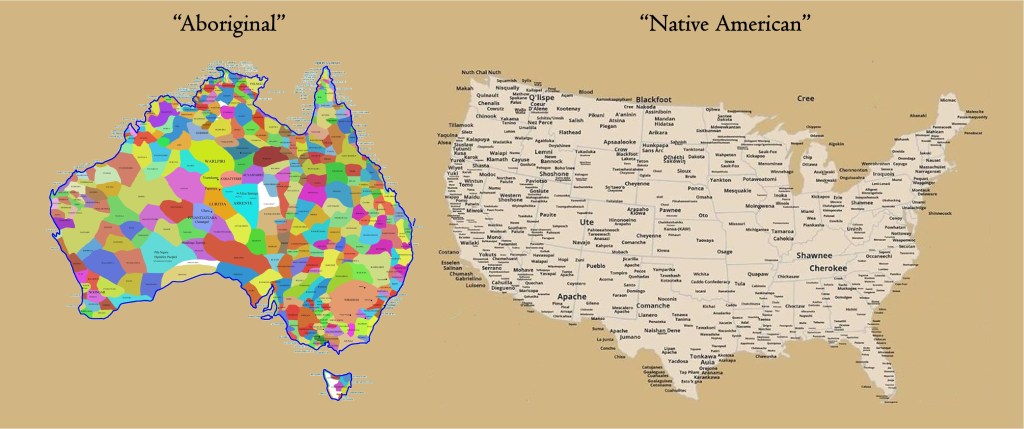
Even then, there are so many cultures that are overlooked by Western society. I have always been fascinated by the Picts and the Celts (which also have dozens of tribes), by Vikings, by Romans, Ancient Greeks, and Ancient Egyptians, but there are so many others that are just as rich in their beliefs, history, mythology, and societies.
So. This is all to say: Do your research. Do your research because you want to know more, but also do it because you CAN know more. You don’t live in Ambergrove. Here, ignorance is a choice.
A General Status Update
Now, I have just done my research for the snake festival in Darbut, and I will be working on drafting EotA with more persistence in the weeks to come. My laptop has served me well for three years, but it is now on its last legs. Monday, I plan to order a replacement laptop. Once all the data is switched over to the new laptop next week, I should be able to sit next weekend and really get to work.
I am also feeling leaps and bounds better today than last Wednesday, after a week of cooking out the flu. We’re just keeping on keeping on.
Until next time, adventurers!
 Tales of Ambergrove